


CANNABIS GROWING GUIDES
Grow With Confidence.
Whether you’re starting from seed or growing premium clones, our step by step guides help you grow healthier plants from start to harvest.
BROWSE BY CATEGORY





POPULAR GUIDES
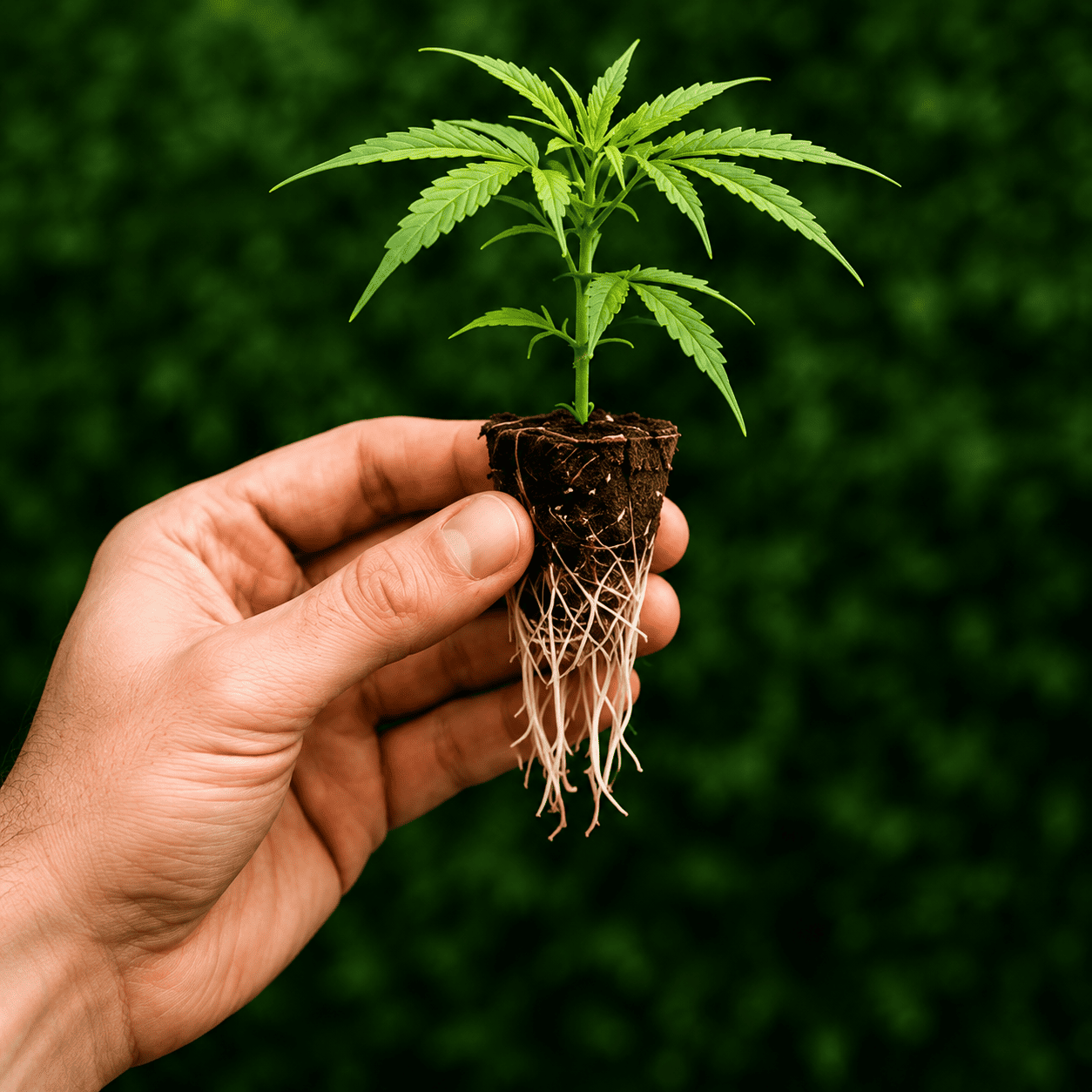
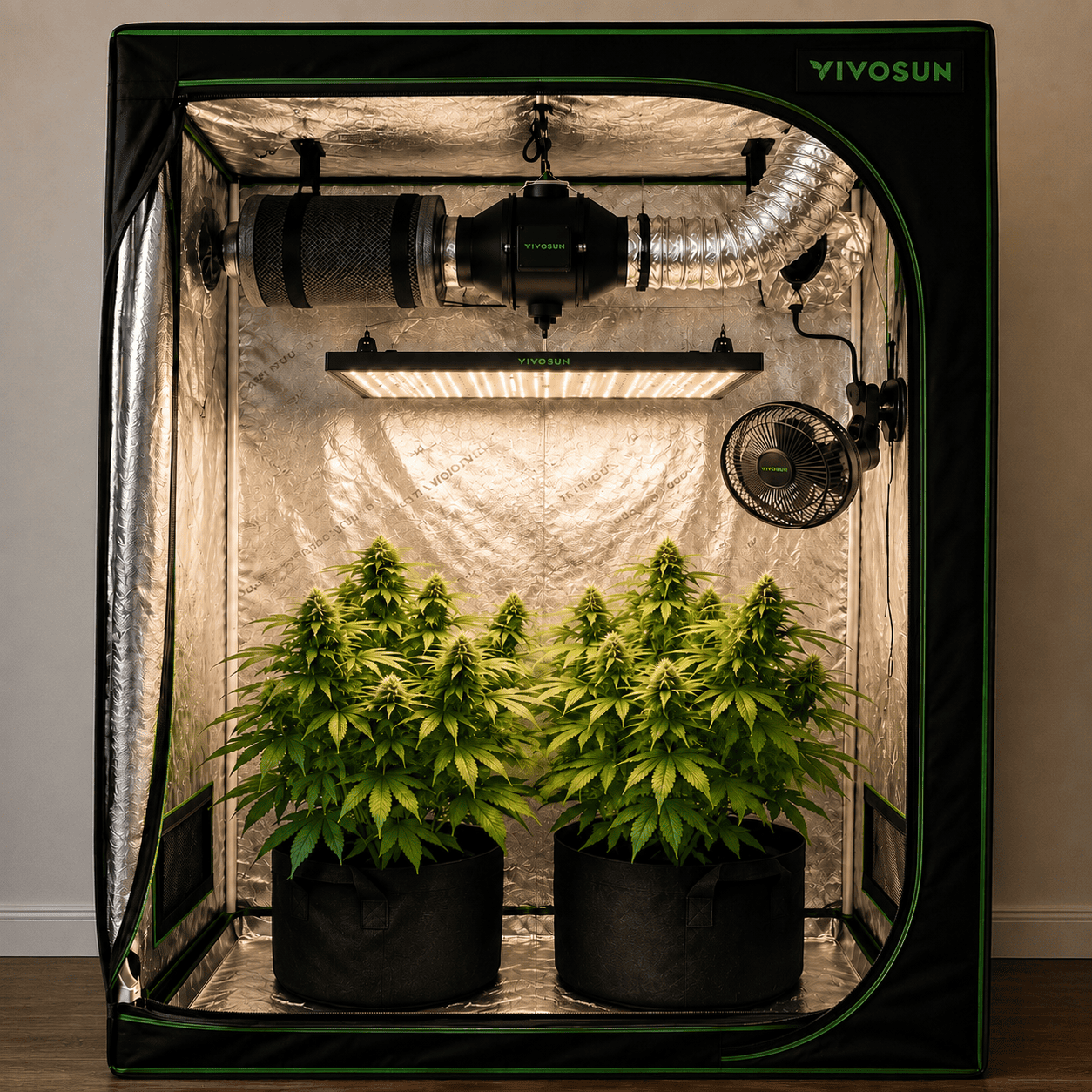
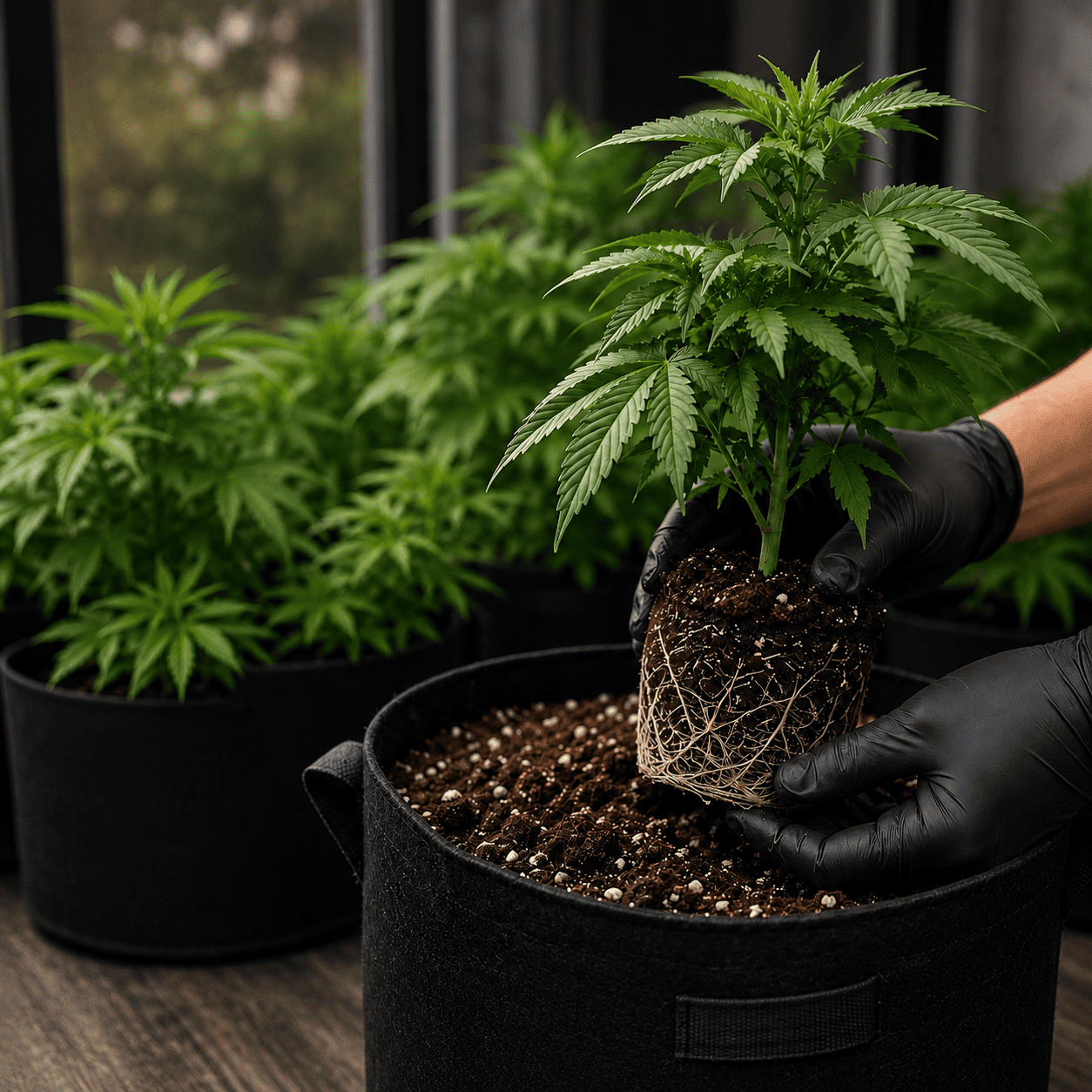
Preventing Transplant Shock
Reduce stress and help your plants thrive after transplanting.
THE GROWING JOURNEY


Choose Genetics
Select quality clones
or seeds.


Receive Plants
Unpack and inspect
your plants.


Acclimate
Help your plants adjust
to their new home.

Vegetative Growth
Build strong roots and
healthy structure.


Flowering
Encourage blooms
and monitor progress


Harvest
Harvest, dry, and cure
for the best results.
FREQUENTLY ASKED QUESTIONS
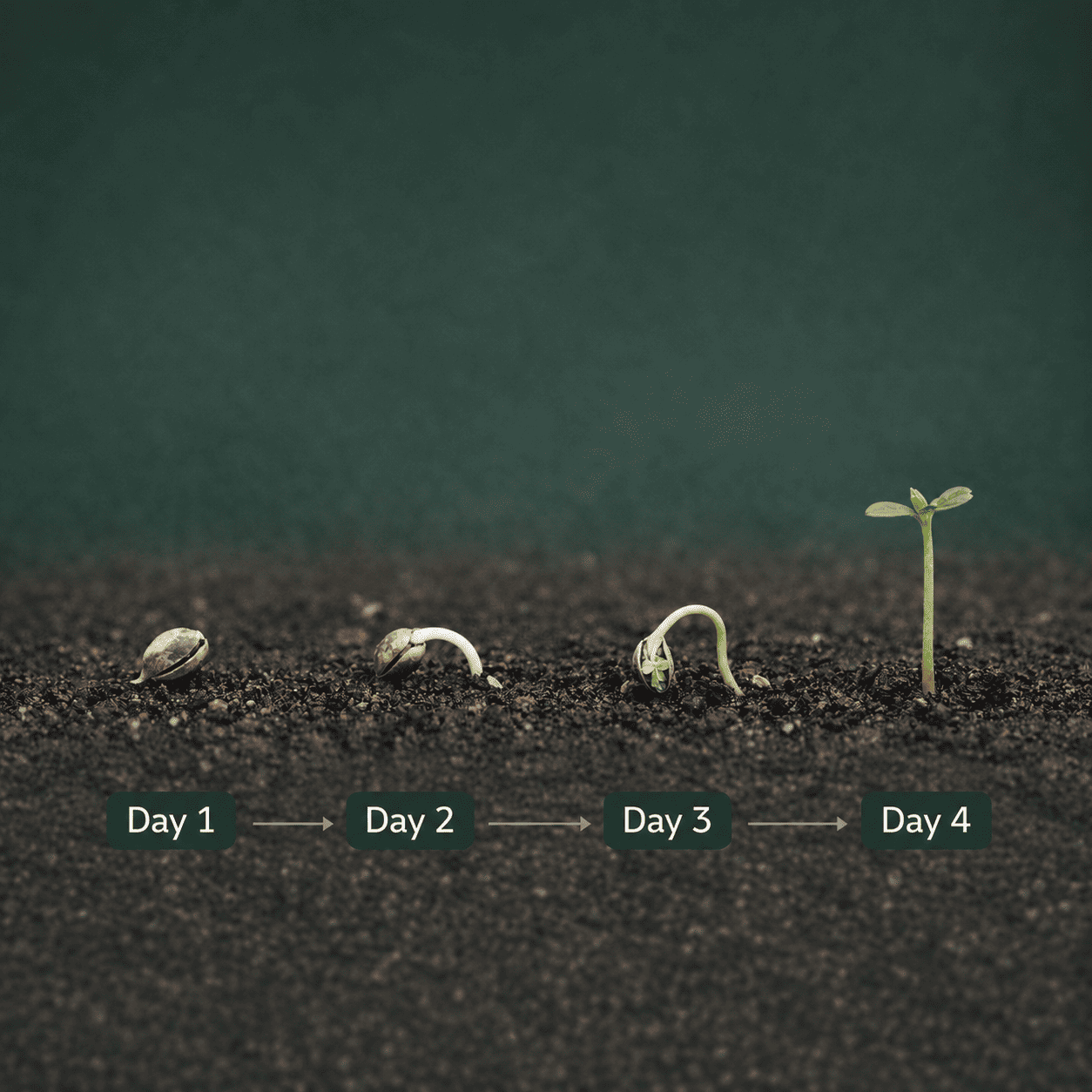
Cannabis seeds typically germinate within 2–7 days when kept in warm, moist conditions. Some seeds may take longer depending on their age, genetics, and environmental conditions. Once the taproot emerges, the seed can be carefully transferred into its growing medium.
For indoor growing, cannabis plants are typically kept under 18 hours of light and 6 hours of darkness (18/6) during the vegetative stage. Photoperiod plants are generally switched to 12 hours of light and 12 hours of uninterrupted darkness (12/12) to initiate and maintain flowering. Autoflowering varieties do not require this change to begin flowering.
Water based on the plant and growing medium rather than following a strict calendar. Generally, water when the upper portion of the growing medium has begun to dry and the container feels noticeably lighter. Overwatering is a common problem, particularly with seedlings and young plants, so allow adequate drainage and avoid keeping the root zone continuously saturated.
Young cannabis seedlings require relatively little supplemental nutrition. A quality growing medium often provides enough nutrition during the earliest stage. As the plant develops, begin with a light, balanced nutrient program and gradually increase feeding based on the plant’s growth and response. Avoid heavy fertilization, which can damage young roots and cause nutrient burn.
Transplant when the plant has developed a healthy root system and is beginning to outgrow its current container. Common signs include roots reaching the container’s drainage holes, rapid drying between waterings, slowed growth, or the plant becoming large relative to its container. Transplanting before the plant becomes severely root-bound helps minimize stress and supports continued growth.
Start with prevention: maintain a clean growing environment, inspect plants regularly, provide adequate airflow, remove dead plant material, and quarantine new plants before introducing them to the garden. Sticky traps can help monitor flying pests, while appropriate biological controls and beneficial insects can help manage certain pest populations. Catching problems early is generally much easier than treating an established infestation.
CALIFORNIA
LICENSED & COMPLIANT

PREMIUM
CLONES & GENETICS

EXPERT GROWING
KNOWLEDGE

SUSTAINABLE
PRACTICES

SHIPPED NATIONWIDE
FROM CALIFORNIA